
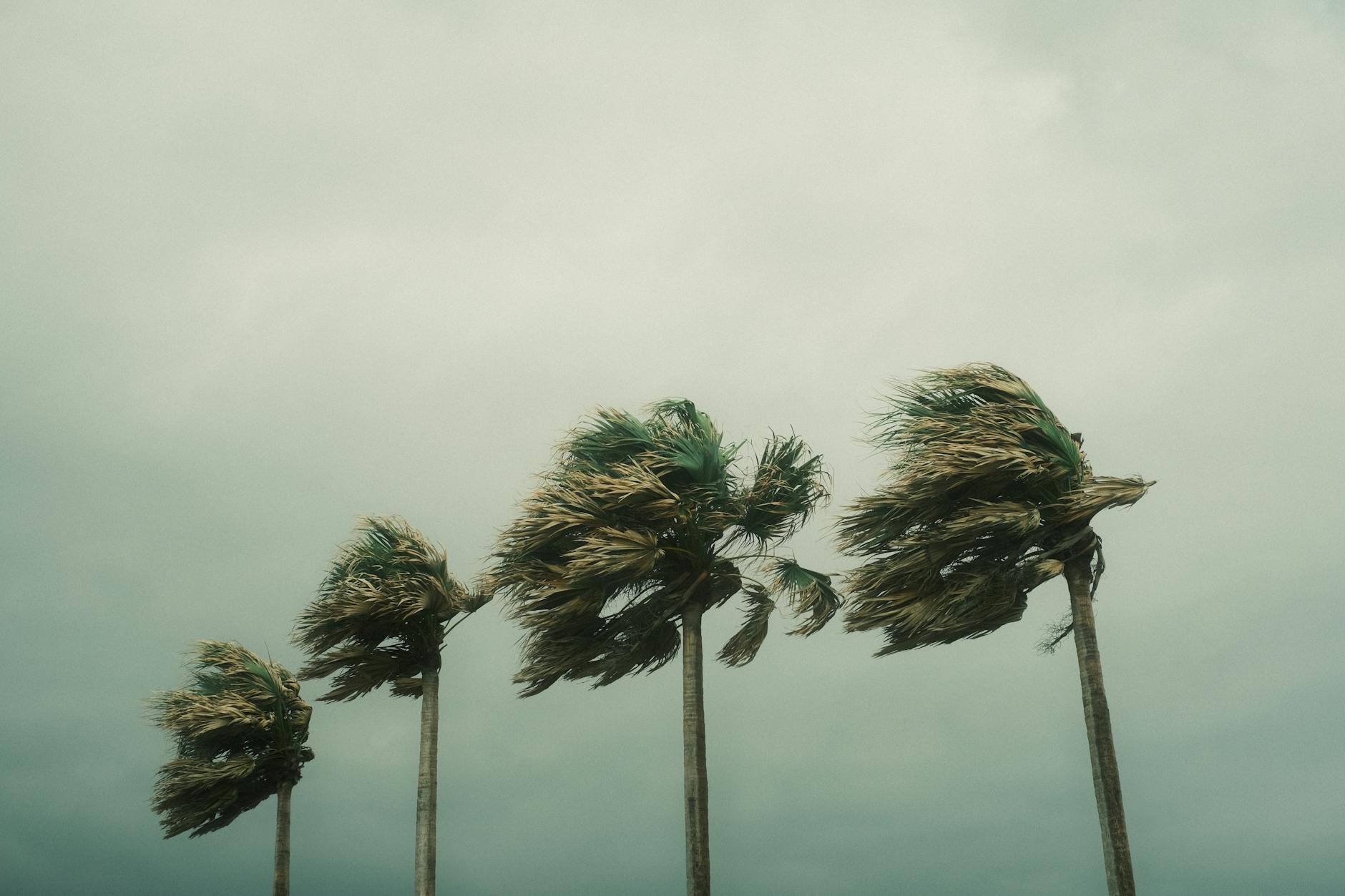
Watching Hurricane Beryl spin across the ocean and Gulf was a reminder that we all need to be better prepared for this season of storms and the geridrama it can so easily inspire. Disaster preparedness is such a bore, but it’s worth talking about — especially when compromised or mobility challenged loved ones are part of the contingency plan.
So let’s jump into the conversation.
The Caregiver Coalition of Northeast Florida’s Caring Together summer newsletter just hit my inbox, and it is full of good information on this topic. One was the importance of registering with the Florida Special Needs Registry. Surely there’s one in every inclement weather-prone area. This gives local responders an idea of where their most vulnerable citizens are located and how they can be evacuated. This to me seems like an important first step in the storm preparation process if you are caring for someone who fits this description. Check it out, here.
The coalition also shared a very helpful link to ElderSource’s list of emergency resources. This, too, is a thoughtful way to do a little preplanning — bookmark the site and you’re set when there’s a menacing storm on the horizon.
Eldercare Locator, an online public service of the Administration for Community Living, features this cheat sheet of best practices for preparedness. It’s also worth bookmarking and reading up on ahead of time.
The National Institute on Aging encourages preplanning with your elderly loved one:
Discuss your plan and needs with friends, family, caregivers, and neighbors. Identify specific people you trust and who would be willing to help in a crisis. Fill out an emergency communications plan. Include backup communication measures for how to keep in touch, and have a fallback plan in the likely event of power and internet outages. Be sure to keep cell phones and similar electronics charged regularly.
Another part of planning is protecting important documents and records. These include:
- Identification, Social Security cards, passports, birth certificates
- Health and dental insurance
- Medical records
- Property insurance policies
- Family or other emergency contact information
For a full list of documents to consider, visit Safeguard Critical Documents and Valuables from the Federal Emergency Management Agency (FEMA).
Store important documents in a fireproof and waterproof container and save a digital copy. Also consider reviewing and updating your home insurance policy, if needed. For example, many insurance policies do not include flood coverage.”
They also posted this infographic, which I thought was cute and a great reminder about how to pack a bitchin’ emergency kit:

But like anything else Grand Plans related, the most effective course of weather prep is to engage in a little old fashioned real talking about it. Think it through. Map out the possibilities and pitfalls. Discuss the contingencies. Play the “What If?” game with yourself and the people who depend on you. What if the power goes off and Mom’s oxygen machine doesn’t have the juice it needs to sustain her breathing? What if we have to evacuate Dad from his home, who will take him in for a few days? What if the caregivers cannot access my loved one for their shift because the community is flooded? What if the pharmacy cannot fill her prescriptions because they too are impacted by the weather? Going into crisis mode and mitigating emergencies when you don’t really have to is a great way to get organized mentally for go-time. Make it a family adventure, invite your friends and family to play! It could even be a productive drinking game or party trick!
Whether you’ve been through ten horrible hurricanes or just seen one on TV, contingency planning can take the edge off when it comes to managing an older loved one’s senior experience — rain or shine!
 Grand Plans
Leave a comment