
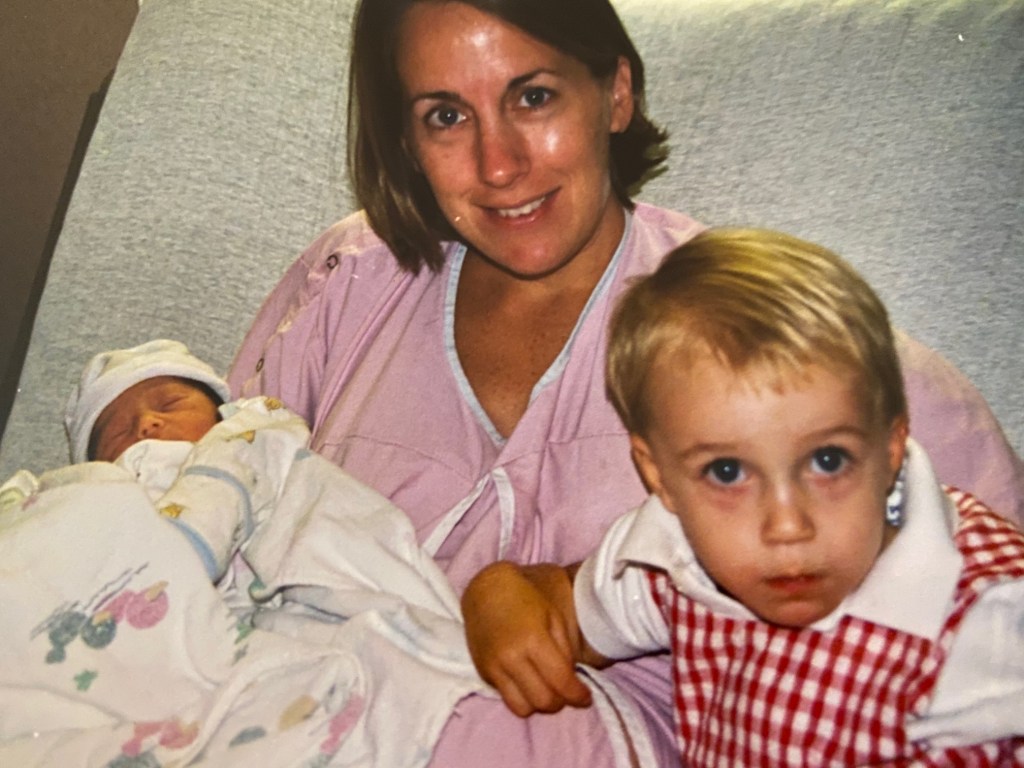
When our son, Ben (right), was a week overdue and the doctors were guestimating his size, they predicted he would be 10.2 pounds…plus or minus a pound. OMG, I was horrified. No birth announcement I’d ever seen included anything in the near-twelves, how the holy hell was I going to wordsmith that news? Fortunately, he was delivered by C-section the next day and took the under at 9.2 pounds — still a “big baby,” but not THAT big praise the Lord. Our daughter, Marley (left), came into the world 22 months later a total tiny brown peanut, barely tipping the scales at 6 pounds. Despite their size difference, both babies required ample oversight, protection and patience as they made their way toward adulthood.
Big or small, all babies need proper guardrails and attention during their earliest moments and fortunately for parents, there are plenty of resources and products to the littlest yoots thrive in a secure environment. Cribs keep infants and toddlers in a safe space while they slumber. Diapers thwart debilitating poop crises. And the bajiollion brands of walkers, playpens, backpacks, swaddlers, harnesses, baby gates, wagons, strollers, carriers and car seats make sure babies of all sizes are safe, contained and comfortable as they grow into productive little people. When it comes to crisis prevention and control, parent of babies and young children have options.

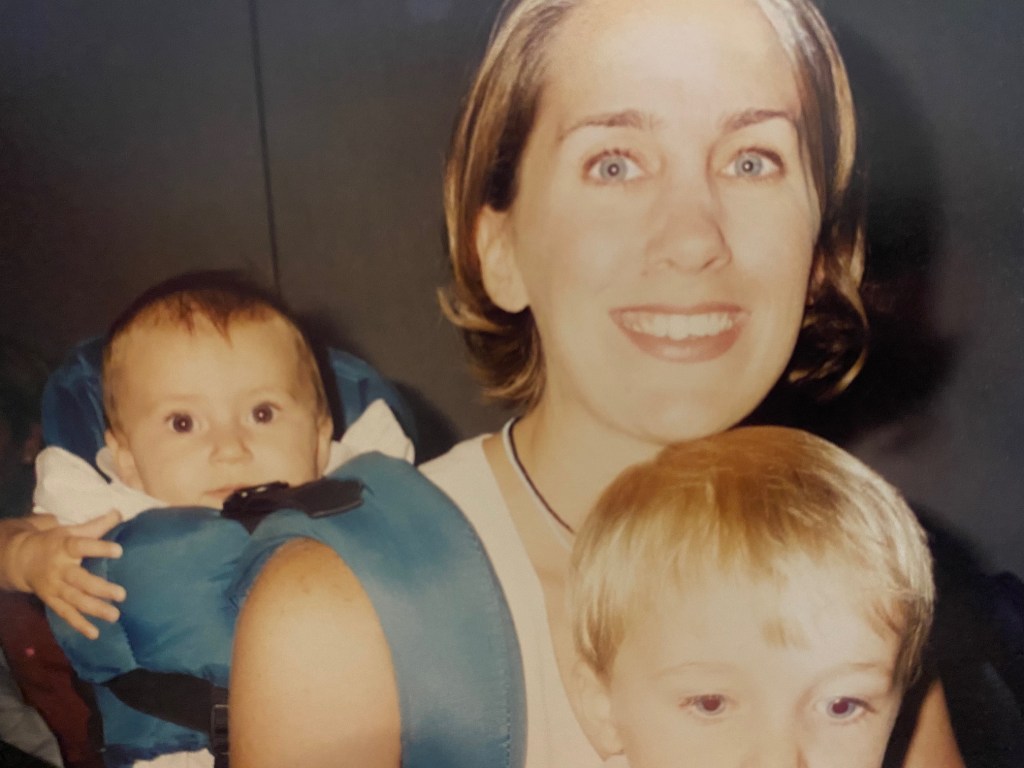
(I think I wore this thing every day at least once for more than two years.)
It is not the same story when we are talking about caregiving for older adults — even though the characters and plotline seem awfully familiar. The same factors — including incontinence, danger, fall risks, diapers, choking hazards, liquids, restraints and rails — that informed our raising of babies are the same parameters of safe, compassionate caregiving for older adults. In the moment, it can feel like a super tangible, totally full-circle, big baby moment. But let’s be clear: it isn’t. There is one operative word that distinguishes adult parental caregiving for babies/children/minors and caregiving for a parent or older adult: you guessed it, that word is adult. Unlike big babies, adults have rights and the freedom to make their own choices. Ethical elder care emphasizes dignity, respect and a person-centered approach. With senior assistance, the focus is on creating a safe environment without compromising the adult patient’s fundamental rights. A loving parent can Pamper-up their cranky, rowdy toddler and put them down for a nap in their crib. It is not the same program for an older loved one or parent who might benefit from the same treatment but declines, ignores or forgets it.
Whether we face this situation in our own aging experience or through the caregiving of an older loved one, the nuances of child-like support is something we all will face one day. Let’s make sure we know the fundamental differences between baby/minor and adult caregiving. I asked ChatGPT, and here are some of the themes it articulated:
Restraining and Control vs. Protection: Restraints are routine and widely accepted in caring for minors but are ethically and legally restricted in caring for older adults due to their impact on autonomy and dignity.
Caregiving Dependency vs. Support: Caregiving for minors is about guiding growth, while caregiving for older adults is about preserving identity, autonomy and quality of life despite cognitive decline.
Providing a Safe Living Environment, Controlled vs. Adapted Spaces: A safe space for minors prioritizes limiting access to danger, while a safe space for older adults emphasizes removing hazards while allowing freedom and independence.
Ethical Considerations, Best Interest vs. Autonomy: Ethical care for minors is protective and paternalistic, while care for older adults must respect autonomy and personhood despite cognitive limitations.
Societal and Cultural Expectations: Society accepts protective control in caregiving for minors but emphasizes empowerment, dignity, and minimal restriction for older adults.
The bottom line is though some baby/minor and older adult caregiving scenarios may seem very similar, caregiving for an adult is in a league of its own and must be understood as such. Older adults with caregiving needs are not big babies like my 9.2-pounder. They are experienced, independent adult humans with the agency and full right to manage their own lives as they wish. As caregivers, our role should be to support and protect that, even when it feels really boo-hiss and wrong. Care for older adults must respect their history, retained abilities and personhood, while care for big babies and minors centers on guidance, safety and development. In both cases, care should be compassionate, thoughtful and legally tailored to individual needs.
 Grand Plans
Leave a comment